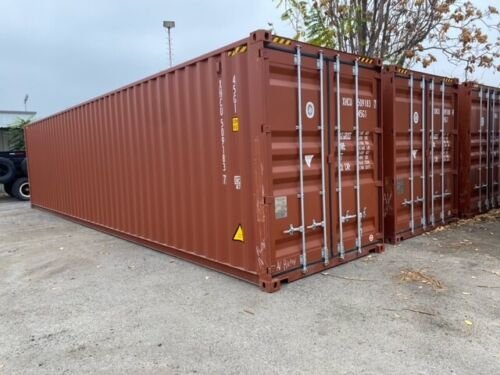
The right size depends on how much space you need, your site, and how the container will be used. A 10ft container suits compact storage, a 20ft container offers a balance of capacity and easy placement for most uses, and a 40ft container suits businesses needing significantly more storage capacity.
Shipping containers have become a practical solution for storage, transportation, construction projects, and a variety of commercial applications throughout Australia. Whether you are looking for extra storage space at home, a secure location for business inventory, or a container for a custom project, selecting the right size is an important first step.
With several container sizes available, understanding the differences between them can help you make a more informed decision and ensure the container meets your current and future requirements.
What container sizes are available?
Shipping containers are available in multiple sizes, but the most commonly used options are 10ft, 20ft, and 40ft containers. Each size offers different storage capacities and advantages depending on the intended application.
Before choosing a container, it is important to consider:
- How much space you need
- The available area at your site
- How the container will be used over time
What is a 10ft container used for?
A 10ft shipping container is one of the most compact options available. These containers are often selected when space is limited or when customers need secure storage without requiring a large footprint.
Common uses for 10ft containers include:
- Household storage
- Garden equipment storage
- Small business inventory
- Tools and machinery
- Construction site supplies
Because of their smaller size, 10ft containers can often be positioned in locations where larger containers may not fit comfortably. They provide a practical solution for customers who require secure storage without taking up excessive space.
What is a 20ft container used for?
The 20ft shipping container is one of the most popular container sizes worldwide. It offers a balance between storage capacity and manageable dimensions, making it suitable for many residential and commercial applications.
Common uses for 20ft containers include:
- General storage
- Business inventory
- Construction projects
- Farm equipment storage
- Workshop conversions
Many customers choose a 20ft container because it provides substantial storage capacity while remaining relatively easy to transport and position on-site.
For businesses and individuals requiring dependable storage space, a 20ft container often represents a practical and versatile solution.
What is a 40ft container used for?
A 40ft shipping container offers significantly more storage capacity than smaller alternatives. These containers are commonly used by businesses, industrial facilities, and customers with larger storage requirements.
Typical applications include:
- Large inventory storage
- Industrial equipment storage
- Construction materials
- Bulk goods storage
- Container modification projects
A 40ft container can provide the equivalent storage space of several smaller units, making it an efficient option for customers who need maximum capacity.
Before selecting a 40ft container, it is important to ensure that sufficient site space is available for both placement and delivery access.
What factors should I consider before choosing a container?
How much space do I need?
One of the most important considerations is the amount of space available at your property or project site. Measure the intended placement area carefully and allow additional room for delivery and access.
A larger container may offer more storage capacity, but it must fit comfortably within the available space.
How will the container be used?
Understanding how the container will be used can help determine the most suitable size.
For example:
- Personal storage may require a smaller container.
- Business inventory may benefit from additional capacity.
- Construction projects often require larger storage solutions.
- Modification projects may require extra interior space.
Matching the container size to the intended use can help improve efficiency and reduce unnecessary costs.
Should I plan for future storage needs?
Many customers focus only on their immediate storage needs. However, it is often beneficial to consider future growth and changing requirements.
If you anticipate needing additional storage capacity in the future, selecting a slightly larger container may help avoid the need for a second purchase later on.
What should I check for delivery access?
Container delivery requires adequate access for transport vehicles and unloading equipment.
Before ordering a container, consider:
- Driveway width
- Site accessibility
- Ground conditions
- Overhead obstructions
- Turning space for delivery vehicles
Preparing the site in advance can help ensure a smooth delivery process.
Should I choose a new or used container?
Once you have selected the appropriate size, the next step is deciding between a new or used container.
New containers typically offer minimal wear and a clean appearance. They are often selected for projects where aesthetics are an important consideration.
Used containers can provide a practical and cost-effective option for many storage applications. They remain a popular choice among customers seeking reliable functionality while managing project budgets.
The best option will depend on your intended use, budget, and personal preferences.
Why does choosing the right size matter?
Selecting the correct container size can help maximize storage efficiency, improve site organization, and ensure the container meets your needs over the long term.
A container that is too small may quickly become overcrowded, while a container that is larger than necessary may occupy valuable space unnecessarily.
Taking time to assess your storage requirements, available space, and future plans can help you make a more informed purchasing decision.
Find the Right Container with BWContainers
At BWContainers, we supply a range of new and used shipping containers for customers across Australia. Whether you need a compact 10ft unit, a versatile 20ft container, or a high-capacity 40ft solution, our team is available to help you identify the most suitable option for your project.
By understanding your storage requirements and site conditions, you can choose a shipping container that provides reliable performance and practical value for years to come.
For exact external and internal measurements, door openings and weights, see our shipping container dimensions guide.
Frequently asked questions
What size shipping container do I need?
Start from what you are storing and how you will access it, not from the container. A 10ft unit suits a small yard or a single room of goods; a 20ft container is the most common choice for household storage and general site use; a 40ft container suits bulk storage, machinery and palletised stock. If access is tight, two smaller containers often work where one large one cannot be delivered.
How much can a 20ft shipping container hold?
A 20ft container gives roughly 33 cubic metres of internal space, about 5.90 m long by 2.35 m wide by 2.39 m high. As a rough guide that is comparable to the contents of a two to three bedroom house, though how much fits depends heavily on how well it is packed.
Is one 40ft container better than two 20ft containers?
For volume, one 40ft container is usually cheaper and takes less total ground area. For weight, two 20ft containers carry more, because maximum gross weight is similar for both sizes while a 40ft is heavier when empty. For difficult sites, two 20ft units are far easier to deliver and place.
Do I need a high cube container?
A high cube adds about 300 mm of internal height. It is worth specifying if you plan to fit racking, insulate and line the interior, or store anything tall. For plain storage of boxed goods, a standard height container is usually sufficient.

Leave a comment