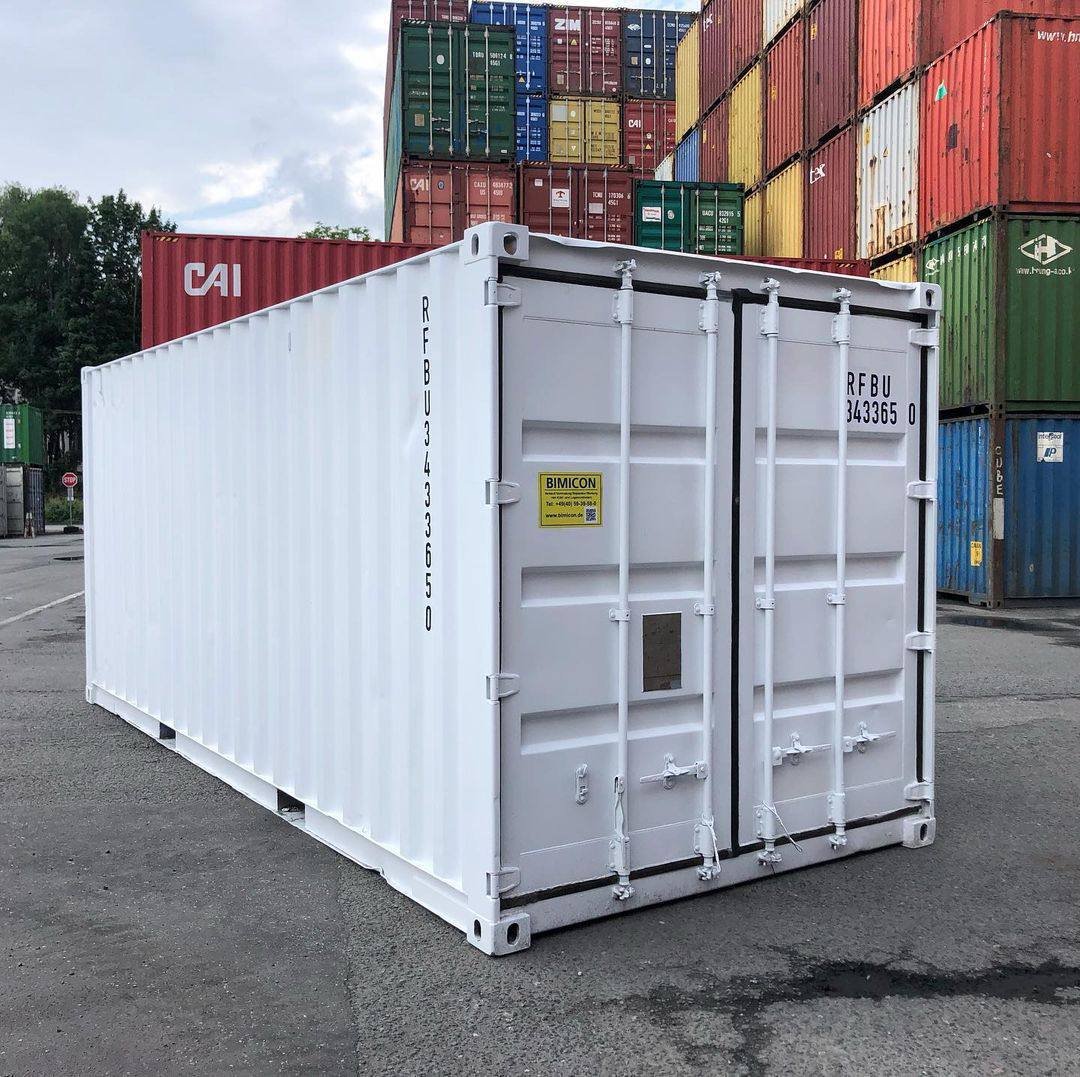
Preparing a property for shipping container delivery means choosing a suitable location, ensuring adequate space and ground stability, checking drainage, clearing the delivery route, and planning for door orientation and future access. Proper site preparation helps the delivery go smoothly, supports container stability, and reduces the risk of future issues.
Purchasing a shipping container is an important investment, whether it is being used for storage, business operations, construction projects, or agricultural applications. One of the most important steps in the process is preparing your property for delivery.
Proper site preparation can help ensure a smooth delivery experience, reduce potential delays, and provide a suitable location for your container once it arrives. By understanding what is required before delivery day, you can help make the installation process as straightforward as possible.
This guide outlines the key considerations when preparing your property for shipping container delivery.
Why does site preparation matter?
Shipping containers are large, heavy structures that require adequate space and suitable ground conditions. Proper preparation helps ensure the container can be delivered safely and positioned correctly.
A well-prepared site can also help protect the container over time by:
- Promoting stability
- Reducing unnecessary movement
- Supporting proper drainage
Taking the time to prepare your property before delivery can help avoid complications and improve the overall experience.
How do I choose the right location?
The first step is selecting an appropriate location for the container.
When choosing a site, consider:
- Ease of access
- Ground conditions
- Future accessibility
- Distance from structures
- Intended use of the container
Think about how often the container will be accessed and whether equipment or vehicles may need access to the area in the future.
Selecting the right location from the beginning can help prevent the need to reposition the container later.
How much space do I need for delivery?
Shipping containers require sufficient space not only for placement but also for the delivery vehicle.
Depending on the size of the container, additional room may be required for unloading and positioning.
Before delivery, carefully assess:
- Site width
- Site length
- Overhead clearance
- Turning areas
- Vehicle access routes
Removing obstacles ahead of time can help create a safer and more efficient delivery environment.
What ground conditions are needed?
The ground beneath the container plays an important role in long-term performance.
Ideally, the site should be:
- Level
- Stable
- Well-drained
- Free from excessive debris
Uneven ground can place unnecessary stress on the container structure and may affect door operation over time.
Many customers choose to position containers on prepared surfaces such as:
- Gravel
- Concrete
- Other stable foundations
Why does drainage matter?
Proper drainage is an important factor that is sometimes overlooked.
Standing water around a container may contribute to long-term maintenance concerns and site accessibility issues.
When preparing your site, consider:
- Natural water flow
- Low-lying areas
- Drainage paths
- Surface runoff
Selecting a location with good drainage can help maintain site conditions and improve long-term usability.
What delivery access is needed?
The delivery vehicle must be able to safely reach the installation location.
Before delivery, evaluate:
Driveway Access
Ensure driveways are wide enough to accommodate delivery vehicles.
Turning Space
Larger vehicles may require additional room to manoeuvre safely.
Overhead Obstacles
Check for:
- Trees
- Power lines
- Building overhangs
- Signage
- Utility connections
Identifying potential obstacles in advance can help reduce delays on delivery day.
Ground Stability
Delivery vehicles can be heavy, especially when carrying loaded containers. Ensure access routes are capable of supporting vehicle weight.
How do I plan for future access?
While the container’s initial placement is important, future accessibility should also be considered.
Ask yourself:
- Will the doors be easily accessible?
- Is there enough room to load and unload items?
- Can vehicles reach the container if necessary?
- Will future site changes affect access?
Planning ahead can help maximize convenience and usability.
Which way should the doors face?
Container doors should be positioned based on how the container will be used.
For example:
- Frequently accessed containers should have doors facing a convenient access point.
- Business storage containers may benefit from easy loading and unloading access.
- Construction site containers may require strategic positioning for operational efficiency.
Thinking about door orientation before delivery can improve daily use and reduce future adjustments.
How do I prepare the area before delivery?
Before delivery day, clear the site of any unnecessary obstacles.
This may include:
- Debris
- Vegetation
- Equipment
- Building materials
- Vehicles
Creating a clean and accessible workspace can help support a smooth delivery process.
What safety precautions should I take?
Safety should remain a priority throughout the delivery process.
Property owners should ensure:
- Delivery routes are clear.
- Unauthorised individuals remain away from the delivery area.
- Potential hazards are identified in advance.
- Site conditions are communicated to the delivery team if necessary.
A safe environment benefits both the customer and delivery personnel.
What are common site preparation mistakes?
Avoiding common mistakes can help simplify container delivery.
Some of the most common issues include:
Insufficient Access
Narrow access points or restricted turning space can create delivery challenges.
Uneven Ground
Containers placed on unstable surfaces may experience operational issues over time.
Ignoring Drainage
Poor drainage can impact both site conditions and long-term container performance.
Limited Future Accessibility
Failing to consider future access requirements may reduce the practicality of the container after installation.
What are the benefits of proper preparation?
Investing time in site preparation offers several advantages:
- Smoother delivery process
- Improved container stability
- Better accessibility
- Reduced risk of future issues
- Enhanced long-term performance
A properly prepared site helps create the best possible foundation for your shipping container.
Delivery Preparation with BWContainers
At BWContainers, we understand that successful container delivery begins with proper planning. Whether you’re purchasing a container for residential storage, business use, agricultural applications, or a construction project, preparing your site in advance can help ensure a positive experience.
By selecting an appropriate location, ensuring adequate access, and preparing a stable surface, you can help create the ideal environment for your new shipping container and enjoy reliable service for years to come.
Access requirements vary by city. See local guidance for Sydney, Brisbane, Perth and Melbourne.
Frequently asked questions
How much space is needed to deliver a shipping container?
For a tilt-tray delivery, allow roughly three times the container’s length in clear, straight approach, plus room for the truck itself. A 20ft container therefore needs considerably more than 20ft of space. Where that is not available, a crane lift may be required, which costs more and needs its own clear area and overhead access.
Does a shipping container need a concrete slab?
Not usually. Containers are designed to bear their weight at the four corner castings, so level, firm footings under those corners are generally enough. What matters is that the container sits level and does not settle unevenly, because a container racked out of square becomes difficult to open and close.
Can a shipping container be delivered on soft or sloping ground?
Soft ground is the more common problem. A loaded delivery truck is heavy and can sink or rut on wet lawn or sand, and a container that settles unevenly afterwards will twist. Slopes can be managed with levelled footings under the corners. Assess both before delivery day rather than on it.
Do I need council approval for a shipping container?
Requirements vary by council and by how long the container will stay. Some treat a container on residential land as a temporary structure needing no approval, others apply time limits or require consent. Check with your local council before a long-term placement.
Leave a comment